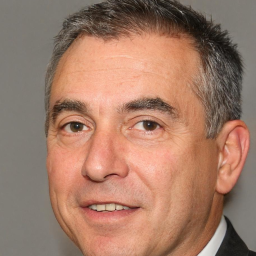
NCAA Permanently Bans Iona Guard Adam Njie Jr. in Federal Gambling Probe
The NCAA has permanently banned Adam Njie Jr., a guard for the Iona University Gaels, stripping him of all remaining college eligibility after a federal gambling investigation found he shared game-related information with bettors during the 2024-2025 season. Njie Jr. is one of more than 30 college basketball players caught in a sweeping federal probe targeting game manipulation and sports betting corruption at the collegiate level. The case marks one of the most serious NCAA integrity enforcement actions in recent memory, with permanent ineligibility representing the harshest penalty the organization can impose on a student-athlete.
Adam Njie Jr. Permanently Banned: What the NCAA Found
The Specific Conduct That Triggered the Permanent Ban
Adam Njie Jr. played as a guard for Iona University, a Division I program competing in the Metro Atlantic Athletic Conference (MAAC). According to the NCAA’s ruling, Njie Jr. shared internal game information with individuals connected to sports betting operations during the 2024-2025 college basketball season. The NCAA determined this conduct violated NCAA Bylaw 10.3, which explicitly prohibits student-athletes from providing information to individuals involved in organized gambling activities related to intercollegiate athletics [1].
Njie Jr. has publicly denied intentionally attempting to influence game outcomes. He admitted to sharing limited information but characterized the disclosures as occurring under pressure rather than as a deliberate scheme to manipulate results. The NCAA’s position is unambiguous: sharing inside information with gamblers is a standalone violation, regardless of whether actual point-shaving or score manipulation occurred. Intent to alter outcomes is not a required element of the infraction.
The permanent ineligibility ruling means Njie Jr. cannot compete in any NCAA-sanctioned sport at any member institution for the remainder of his life. This is the most severe outcome available under NCAA enforcement procedures and is typically reserved for cases involving gambling, academic fraud, or agent violations of the most serious kind. The ruling effectively ends his college athletic career entirely.
NCAA Bylaw 10.3: The Rule That Ended His Career
NCAA Bylaw 10.3 governs gambling activities and applies to all student-athletes, coaches, and athletics department staff at member institutions. The bylaw prohibits providing information to individuals involved in organized gambling, accepting money or gifts from gamblers, and participating in any gambling activity involving intercollegiate or professional sports. Violations of Bylaw 10.3 carry automatic loss of eligibility, with permanent ineligibility reserved for the most serious cases [1].
The NCAA has consistently enforced this bylaw strictly since the organization formalized its gambling prohibition policies in the 1990s, following a series of point-shaving scandals that damaged public confidence in college sports. The key legal distinction in the Njie Jr. case is that the NCAA does not require proof of point-shaving to impose permanent ineligibility: the act of sharing information with a known gambler is sufficient. This interpretation has been upheld in multiple prior enforcement actions and reflects the NCAA’s zero-tolerance posture on gambling integrity.

The Federal Investigation: More Than 30 Players Implicated Across College Basketball
Scope of the Probe and Federal Involvement
The Adam Njie Jr. case is not an isolated incident. Federal investigators, working in coordination with the Department of Justice, have identified more than 30 college basketball players across multiple programs as subjects of a gambling-related investigation targeting the 2024-2025 season [1]. The probe focuses on a network of bettors and intermediaries who allegedly cultivated relationships with student-athletes to obtain non-public information about team conditions, injuries, lineup changes, and game strategies.
Federal involvement elevates this investigation well beyond the NCAA’s internal enforcement capacity. When the DOJ opens a sports integrity investigation, the potential charges extend to wire fraud, conspiracy, and violations of the federal Wire Act, which prohibits the transmission of wagering information across state lines. Student-athletes who shared information for financial compensation could face criminal exposure separate from and in addition to their NCAA penalties.
The scale of the investigation, more than 30 players across what sources describe as multiple programs and conferences, suggests a coordinated operation rather than isolated individual misconduct. Investigators appear to have identified a systematic effort by gambling interests to embed information pipelines inside college basketball programs, exploiting the financial pressures many student-athletes face under the current NCAA model [1].
Why College Basketball Is Particularly Vulnerable
College basketball presents a structurally attractive target for gambling corruption for several reasons. The sport features hundreds of Division I programs, many with limited institutional oversight of athlete finances and communications. The introduction of legal sports betting in more than 35 U.S. states since the Supreme Court’s 2018 Murphy v. National Collegiate Athletic Association ruling has dramatically expanded the legal betting market, creating both greater liquidity and greater incentive for information-based wagering schemes.
The legal U.S. sports betting market generated approximately $119.84 billion in total handle during 2023, according to the American Gaming Association, with college basketball representing a significant share of that volume during March and the regular season [2]. Larger betting markets mean larger potential profits from inside information, which directly increases the financial incentive for gamblers to recruit student-athletes as information sources. The Njie Jr. case and the broader 30-player investigation are a direct consequence of this market expansion colliding with inadequate athlete financial protections.
NCAA Gambling Bans in Context: A History of Integrity Enforcement
Major NCAA Gambling Scandals Since 1951
College basketball’s relationship with gambling corruption stretches back more than seven decades. The 1951 City College of New York point-shaving scandal implicated players from CCNY, Long Island University, New York University, and several other programs, resulting in criminal convictions and the effective destruction of multiple programs’ national reputations. The scandal prompted the NCAA to begin formalizing its gambling prohibition policies for the first time.
The 1994-1995 Arizona State University point-shaving case saw players Stevin Smith and Isaac Burton Jr. convicted of federal charges after deliberately manipulating game scores for a gambling operation. In 2019, the FBI’s college basketball corruption investigation, which began in 2017, resulted in convictions of assistant coaches, agents, and Adidas executives for funneling payments to recruits, a case that demonstrated how deeply financial corruption could penetrate the sport’s infrastructure [2].
The current federal probe involving Njie Jr. and more than 30 other players represents a new phase of this recurring problem, one accelerated by the legalization of sports betting and the proliferation of mobile wagering platforms that make placing large, information-driven bets faster and more anonymous than ever before.
Comparison of Notable NCAA Gambling Enforcement Actions
| Player / Case | School | Year | Violation Type | Outcome |
|---|---|---|---|---|
| Adam Njie Jr. | Iona University | 2024-2025 | Sharing game info with bettors | Permanent ineligibility |
| Stevin Smith | Arizona State | 1994-1995 | Point-shaving | Federal conviction, permanent ban |
| Multiple CCNY Players | City College of New York | 1951 | Point-shaving conspiracy | Criminal convictions, program damage |
| Toledo Players (5) | University of Toledo | 2004-2006 | Point-shaving, info sharing | Federal charges, NCAA bans |
| Iowa Hawkeyes Players | University of Iowa | 2023 | Betting on own team’s games | Permanent ineligibility (multiple players) |
The University of Iowa case from 2023 is particularly instructive as a recent precedent. The NCAA permanently banned multiple Iowa Hawkeyes football and baseball players after an Iowa Division of Criminal Investigation probe found they had placed bets on their own team’s games using legal sports betting apps. That case, like the Njie Jr. ruling, demonstrated that the NCAA will apply permanent ineligibility even when no game outcomes were provably altered [2].
What This Scandal Means for Privacy-Focused Sports Bettors
For readers who follow privacy-first gambling through platforms that accept Monero (XMR) and other privacy-preserving cryptocurrencies, the Njie Jr. case and the broader federal investigation carry a specific and important signal. The federal probe succeeded in identifying more than 30 players precisely because modern sports betting platforms generate extensive digital transaction records, communication logs, and behavioral data trails that investigators can subpoena and analyze. Every bet placed on a regulated, KYC-compliant sportsbook creates a permanent, searchable record linking a bettor’s identity to their wagering activity.
The gamblers who allegedly recruited Njie Jr. and other players operated within a system where their financial flows and communications were ultimately traceable. Privacy-conscious bettors who use Monero-based casino platforms operate in a fundamentally different environment, one where transaction data is cryptographically obscured by default through ring signatures, stealth addresses, and RingCT technology. This is not about evading legitimate law enforcement: it is about the structural right to financial privacy that Monero’s protocol was designed to protect. You can read more about how Monero-based wagering works at our guide to Monero casino deposits and withdrawals.
The college basketball gambling scandal also illustrates why the integrity of sports betting markets matters to every participant in those markets. When inside information corrupts betting lines, it disadvantages every honest bettor who is making decisions based on publicly available data. Transparent, provably fair gaming environments, whether in crypto casinos or regulated sportsbooks, depend on the absence of information asymmetry. For more on how provably fair systems work in crypto gambling, see our explainer on provably fair casino games.
Key Takeaways
- The NCAA permanently banned Adam Njie Jr., an Iona University guard, during the 2024-2025 season for sharing internal game information with sports bettors, the harshest penalty available under NCAA rules.
- Njie Jr. admitted to sharing limited information under pressure but denied intentionally trying to influence game outcomes; the NCAA ruled that intent to alter results is not required for a permanent ban under Bylaw 10.3.
- The federal investigation linked to this case has implicated more than 30 college basketball players across multiple programs, indicating a coordinated effort by gambling interests to embed information sources inside college sports.
- The U.S. legal sports betting market processed approximately $119.84 billion in total handle in 2023, according to the American Gaming Association, creating massive financial incentives for information-based corruption schemes [2].
- The NCAA has a documented history of imposing permanent ineligibility for gambling violations dating to the 1951 CCNY scandal, and recent cases at the University of Iowa in 2023 confirm the organization applies this standard consistently.
- Federal charges in sports gambling cases can include wire fraud and Wire Act violations, meaning student-athletes who shared information for compensation face potential criminal liability beyond their NCAA penalties.
- Privacy-preserving betting platforms that use Monero (XMR) operate with cryptographic transaction privacy by default, a structural contrast to the traceable digital records that enabled investigators to identify players in this federal probe.
Frequently Asked Questions
Why did the NCAA permanently ban Adam Njie Jr. if he didn’t shave points?
The NCAA’s Bylaw 10.3 prohibits sharing any game-related information with individuals involved in organized gambling, regardless of whether actual point-shaving or score manipulation occurred. The NCAA determined that Njie Jr. sharing internal information with bettors was a standalone violation sufficient to trigger permanent ineligibility. Intent to alter game outcomes is not a required element of the infraction under NCAA rules [1].
How many players are involved in the college basketball gambling investigation?
Federal investigators have implicated more than 30 college basketball players in the broader probe connected to the 2024-2025 season. The investigation targets a network of bettors and intermediaries who allegedly recruited student-athletes to share non-public game information. The full scope of the federal case, including the number of programs involved and potential criminal charges, has not been fully disclosed publicly as of the time of this report [1].
What is NCAA Bylaw 10.3 and what does it prohibit?
NCAA Bylaw 10.3 is the organization’s core gambling prohibition rule, applying to all student-athletes, coaches, and athletics department staff at member institutions. It prohibits providing information to individuals involved in organized gambling activities related to intercollegiate or professional sports, accepting money or gifts from gamblers, and participating in any gambling activity involving college or professional sports. Violations carry automatic loss of eligibility, with the most serious cases resulting in permanent ineligibility [1].
Can Adam Njie Jr. appeal the permanent ineligibility ruling?
NCAA permanent ineligibility rulings can be appealed through the NCAA’s internal reinstatement process, but the standard for overturning a gambling-related permanent ban is extremely high. The NCAA has historically upheld permanent ineligibility in gambling cases even when athletes argue mitigating circumstances. Njie Jr.’s admission that he shared information, even under his characterization of it as limited and pressured, significantly reduces the likelihood of a successful appeal under current NCAA reinstatement guidelines.
The Bottom Line
The permanent NCAA ban on Adam Njie Jr. is both a personal tragedy for a young athlete and a clear signal that the college basketball gambling crisis identified by federal investigators is real, widespread, and accelerating. With more than 30 players implicated in a single season’s federal probe, this is not a story about one guard at one mid-major program making a bad decision. It is a story about a legal sports betting market that has grown faster than the integrity infrastructure designed to protect it, and about the predictable consequences when financial pressure meets inadequate oversight. For further context on how sports betting integrity frameworks are evolving, see our analysis of sports betting regulation trends.
The NCAA’s enforcement of Bylaw 10.3 sends a message that will reverberate through every locker room in Division I basketball: sharing information with gamblers carries the same career-ending consequence as shaving points. That message is necessary, but it addresses symptoms rather than causes. The deeper structural question, why student-athletes generating billions in revenue for their institutions are financially vulnerable enough to be recruited by gambling networks in the first place, remains unanswered by a permanent ban. Those interested in how athlete compensation debates intersect with sports integrity can explore our coverage of NIL and college sports economics.
The Njie Jr. case will be cited in NCAA compliance training programs for years. It will also be cited by federal prosecutors as evidence that the college sports gambling problem requires criminal enforcement, not just administrative penalties. The next chapter of this investigation, involving the remaining 30-plus implicated players, will determine whether this moment becomes a genuine turning point or simply the most visible entry in a long and recurring history of college basketball corruption.
Follow the College Basketball Gambling Scandal as It Develops
Read the Full Investigation Report
18+ | Play Responsibly | T&Cs Apply
Sources
- GamblingNews.com – Primary reporting on the NCAA’s permanent ineligibility ruling against Adam Njie Jr. and the federal gambling investigation involving 30+ college basketball players.
- GamblingNews.com – Industry context on U.S. legal sports betting market handle figures, NCAA enforcement history, and the University of Iowa 2023 gambling case precedent.