Maryland Sweepstakes Ban: HB 295 Passes House 105-24
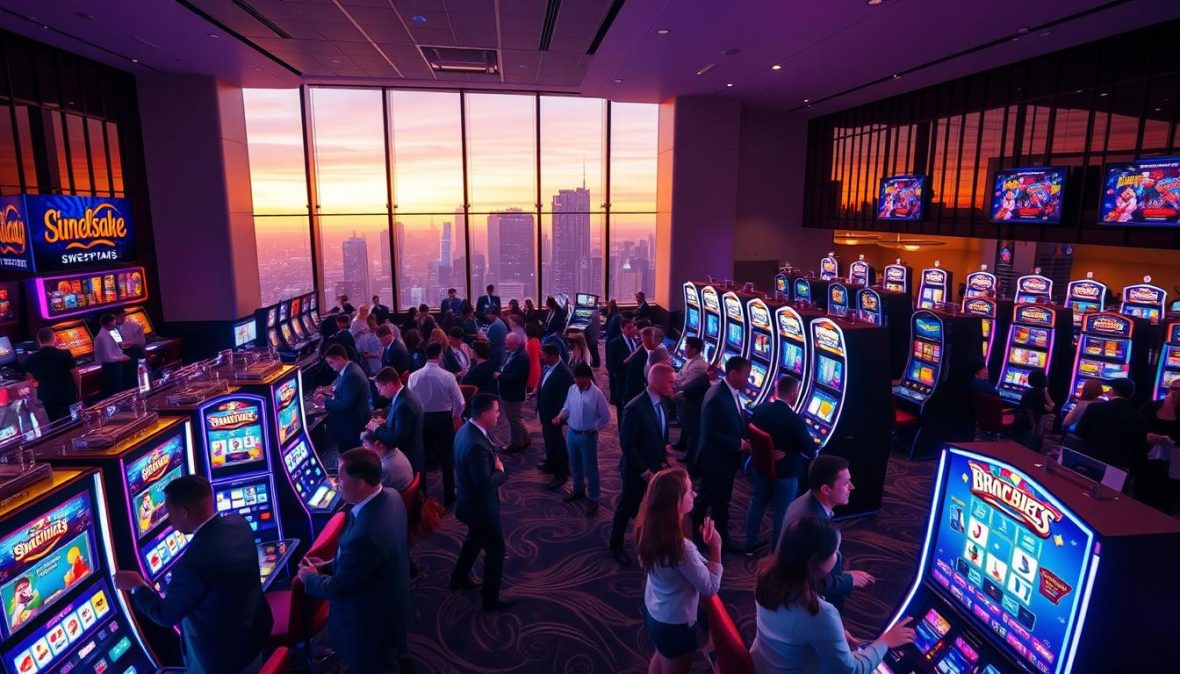
Maryland lawmakers voted 105-24 on April 2025 to pass HB 295, a bill that would criminally prohibit sweepstakes casino platforms operating dual-currency systems redeemable for cash. A companion bill, HB 1226, faces a critical crossover deadline vote that could determine whether Maryland becomes one of the strictest anti-sweepstakes states in the country.
HB 295 Passes Maryland House 105-24, Advances to Senate
What the Bill Actually Prohibits
HB 295 targets a specific and deliberate structure: gaming platforms that simulate casino-style gambling using two or more currency systems where at least one can be exchanged for cash or cash equivalents. This is the exact model that sweepstakes casinos like Chumba Casino, McLuck, and Pulsz have used to operate legally across the United States without traditional gambling licenses. The Maryland House passed the bill with a decisive 105-24 margin, signaling broad bipartisan support for shutting this model down [1].
The bill’s language is precise by design. Legislators crafted the dual-currency definition to close the loophole that sweepstakes operators have relied on since the model gained mainstream traction around 2016. Under the current legal framework in most U.S. states, sweepstakes casinos argue they are not gambling because players can obtain virtual currency for free and prizes are technically awarded through a sweepstakes promotion, not a wager.
Maryland’s HB 295 rejects that framing entirely. By focusing on the exchangeability of the currency rather than how it was obtained, the bill would make the act of operating such a platform a criminal offense regardless of the free-play workaround. The bill now moves to the Maryland Senate, where it will need committee review and a floor vote before reaching the governor’s desk.
HB 1226: The Regulatory Enforcement Companion
Running parallel to HB 295 is HB 1226, a bill that takes a regulatory rather than purely criminal approach. HB 1226 would grant Maryland’s local regulators the authority to issue cease-and-desist orders directly against sweepstakes operators, and critically, to deploy IP blocking and payment processing blocks against non-compliant platforms [2]. This enforcement toolkit mirrors the approach used in several European jurisdictions to cut off unlicensed gambling sites at the infrastructure level.
HB 1226 faced a hard deadline: it must pass its third reading by Maryland’s legislative crossover deadline to remain viable this session. If it misses that window, the bill dies and would need to be reintroduced in the next legislative session. The crossover deadline is a standard feature of Maryland’s bicameral process, requiring bills to pass their originating chamber by a fixed date to be considered by the other chamber in the same session.
Together, HB 295 and HB 1226 form a two-pronged strategy: criminal liability for operators and administrative enforcement tools for regulators. If both pass, Maryland would have one of the most comprehensive anti-sweepstakes frameworks in the United States.
Criminal Penalties Up to 3 Years and $100,000 in Fines
What Operators and Individuals Risk Under HB 295
The criminal penalties written into HB 295 are not symbolic. Violators face up to 3 years in prison and fines ranging from $10,000 to $100,000 per offense [3]. These are felony-level consequences that would apply to operators running platforms that meet the bill’s dual-currency definition, and potentially to executives and individuals who manage or profit from such operations within Maryland.
The $10,000 to $100,000 fine range gives prosecutors and courts flexibility to scale penalties based on the size and revenue of the operation. A small startup running a sweepstakes site might face the lower end of the range, while a major operator generating tens of millions in annual revenue from Maryland players could face the maximum. The 3-year prison term places this offense in the same category as other serious financial crimes under Maryland law.
Sweepstakes casino operators currently serving Maryland residents would need to make a clear decision: exit the Maryland market, restructure their product to remove cash-exchangeable currency, or face criminal exposure. Most analysts expect large operators to geo-block Maryland users rather than risk prosecution, which is what happened in Washington State after that state took a harder regulatory stance on sweepstakes platforms.
HB 1226’s IP and Payment Blocking Powers
The enforcement mechanisms in HB 1226 add a practical layer that criminal law alone cannot provide. Criminal prosecution requires identifying individuals, building cases, and navigating court processes that can take years. IP blocking and payment processing restrictions, by contrast, can be implemented within days of a cease-and-desist order being issued and ignored.
Payment blocking is particularly effective against sweepstakes operators because their business model depends on players purchasing Gold Coins or similar premium currency with real money via credit cards, debit cards, or digital wallets. Cutting off payment processors removes the revenue engine entirely, even if the platform technically remains accessible. Maryland regulators gaining this authority would give the state a fast, practical enforcement tool that complements the longer-term deterrent effect of criminal penalties.
The $6 Billion Sweepstakes Market Now Under Pressure
The U.S. sweepstakes casino market has grown rapidly since platforms like Chumba Casino, operated by VGW Holdings, popularized the dual-currency model. Industry estimates place the annual revenue of sweepstakes gaming platforms in the United States at approximately $6 billion as of 2024, with growth driven by accessibility in states where traditional online casino gambling remains illegal. Maryland, with a population of roughly 6.2 million, represents a meaningful share of that market.
| Bill | Current Status | Key Mechanism | Max Penalty |
|---|---|---|---|
| HB 295 | Passed House 105-24, in Senate | Criminal prohibition on dual-currency platforms | 3 years prison, $100,000 fine |
| HB 1226 | Awaiting crossover deadline vote | Regulatory cease-and-desist, IP and payment blocking | Platform shutdown via blocking |
Maryland is not acting in isolation. Mississippi, Connecticut, and Arkansas have all introduced or passed legislation targeting sweepstakes casinos in 2024 and 2025, reflecting a national shift in how state legislatures view the dual-currency model. The Federal Trade Commission has also signaled interest in examining whether sweepstakes casino marketing practices meet consumer protection standards, adding federal-level pressure on top of state action.
The sweepstakes industry has pushed back through lobbying and legal arguments centered on the First Amendment and the longstanding legality of promotional sweepstakes under federal law. Operators argue their platforms are no different from McDonald’s Monopoly or Publisher’s Clearing House. Maryland’s HB 295 directly challenges that analogy by focusing on the casino simulation element and the cash-exchangeability of the currency, not the sweepstakes promotion structure itself.
The legislative momentum in Maryland reflects a broader reality: state gambling regulators and lottery commissions view sweepstakes casinos as unlicensed competitors that generate revenue without paying licensing fees, taxes, or contributing to state-mandated responsible gambling programs. Maryland’s licensed casinos, which paid over $700 million in gaming taxes to the state in fiscal year 2023, have a strong financial incentive to support legislation that levels the playing field.
What This Means for Privacy-Focused and Crypto Gamblers
For readers who use Monero or other privacy-preserving methods to gamble online, the Maryland sweepstakes crackdown is a useful signal about where U.S. state regulation is heading. The dual-currency sweepstakes model was, for many players, a workaround for accessing casino-style games in states without licensed online gambling. As states like Maryland close that workaround through criminal law, players in those states face fewer legal options within the traditional and semi-regulated space.
The enforcement tools in HB 1226, specifically IP blocking and payment processor restrictions, are the same mechanisms that have historically pushed privacy-conscious gamblers toward cryptocurrency-based platforms. When credit card processors and bank transfers become unavailable for a category of gaming, crypto becomes the practical alternative for players who want to continue. Monero, with its built-in transaction privacy through ring signatures and stealth addresses, sits at the far end of that spectrum for players who prioritize financial privacy above all else.
Maryland’s legislative direction also underscores why regulatory clarity matters for the crypto gambling space. Platforms operating with transparent licensing, provably fair systems, and privacy-native payment rails occupy a structurally different position than sweepstakes operators whose legal status depends on a promotional law interpretation that states are now actively dismantling.
Key Takeaways
- HB 295 passed the Maryland House on a 105-24 vote and now moves to the Maryland Senate for consideration.
- The bill targets gaming platforms using dual-currency systems where one currency is exchangeable for cash or cash equivalents, the core mechanic of sweepstakes casinos.
- Criminal penalties under HB 295 reach up to 3 years in prison and fines between $10,000 and $100,000 per violation.
- HB 1226, a companion bill, would give Maryland regulators power to issue cease-and-desist orders and enforce IP and payment processor blocks against non-compliant operators.
- HB 1226 must pass its third reading by Maryland’s legislative crossover deadline or it dies for the current session.
- Maryland’s licensed casinos contributed over $700 million in gaming taxes in fiscal year 2023, giving the state a direct financial interest in eliminating unlicensed sweepstakes competition.
- At least four other U.S. states, including Mississippi and Connecticut, introduced or advanced similar sweepstakes restriction legislation in 2024 and 2025.
Frequently Asked Questions
What is Maryland HB 295 and what does it ban?
Maryland HB 295 is a bill that passed the Maryland House 105-24 and seeks to criminally prohibit gaming platforms that simulate casino gambling using multiple currency systems where at least one currency can be exchanged for cash or cash equivalents. This directly targets the sweepstakes casino business model. Violators face up to 3 years in prison and fines of $10,000 to $100,000 [1].
Are sweepstakes casinos legal in Maryland right now?
As of the time of publication, sweepstakes casinos operate in a legal gray area in Maryland, as they do in most U.S. states. HB 295 has not yet been signed into law. If the bill passes the Senate and receives the governor’s signature, sweepstakes casino platforms would become criminally prohibited in Maryland [2].
What is the difference between HB 295 and HB 1226 in Maryland?
HB 295 establishes criminal penalties, including prison time and fines, for operating a sweepstakes casino platform in Maryland. HB 1226 focuses on regulatory enforcement, giving state authorities the power to issue cease-and-desist orders and block non-compliant platforms through IP restrictions and payment processor blocks. Both bills are advancing simultaneously [3].
Which states have banned sweepstakes casinos?
Washington State has taken one of the strictest stances against sweepstakes casinos in the U.S. Maryland, Mississippi, Connecticut, and Arkansas have all introduced or advanced legislation targeting the sweepstakes casino model in 2024 and 2025. The national trend is toward increased restriction, with multiple states moving bills through their legislatures in the current session [2].
The Bottom Line
Maryland’s 105-24 House vote on HB 295 is not a close call or a procedural formality. It is a strong legislative signal that a supermajority of Maryland’s elected representatives want sweepstakes casinos gone, and they want criminal law to do the work. The companion bill, HB 1226, adds the regulatory infrastructure to make that prohibition enforceable in practice, not just on paper.
If both bills clear the Senate and reach Governor Wes Moore’s desk, Maryland will join a growing list of states that have decided the sweepstakes casino model is gambling by another name and should be regulated accordingly. The industry’s legal arguments, which have held up in many states for nearly a decade, face their most serious legislative challenge yet as 2025 becomes a pivotal year for sweepstakes casino regulation across the United States.
Players, operators, and investors in the sweepstakes space should treat Maryland’s legislative session as a leading indicator, not an isolated event. The dual-currency workaround is losing political protection, state by state, and the enforcement tools being written into bills like HB 1226 are designed to make non-compliance practically impossible, not just legally risky.
Stay Current on U.S. Sweepstakes Casino Regulation
18+ | Play Responsibly | T&Cs Apply
Sources
- GamblingNews.com – HB 295 House vote result, bill language on dual-currency prohibition, and criminal penalty details
- GamblingNews.com – HB 1226 crossover deadline, regulatory enforcement powers including IP and payment blocking
- Covers.com – Maryland sweepstakes legislation overview, penalty ranges, and state gambling tax context