Ex-DraftKings Trader Charged in Fresno State Basketball Gambling Scheme
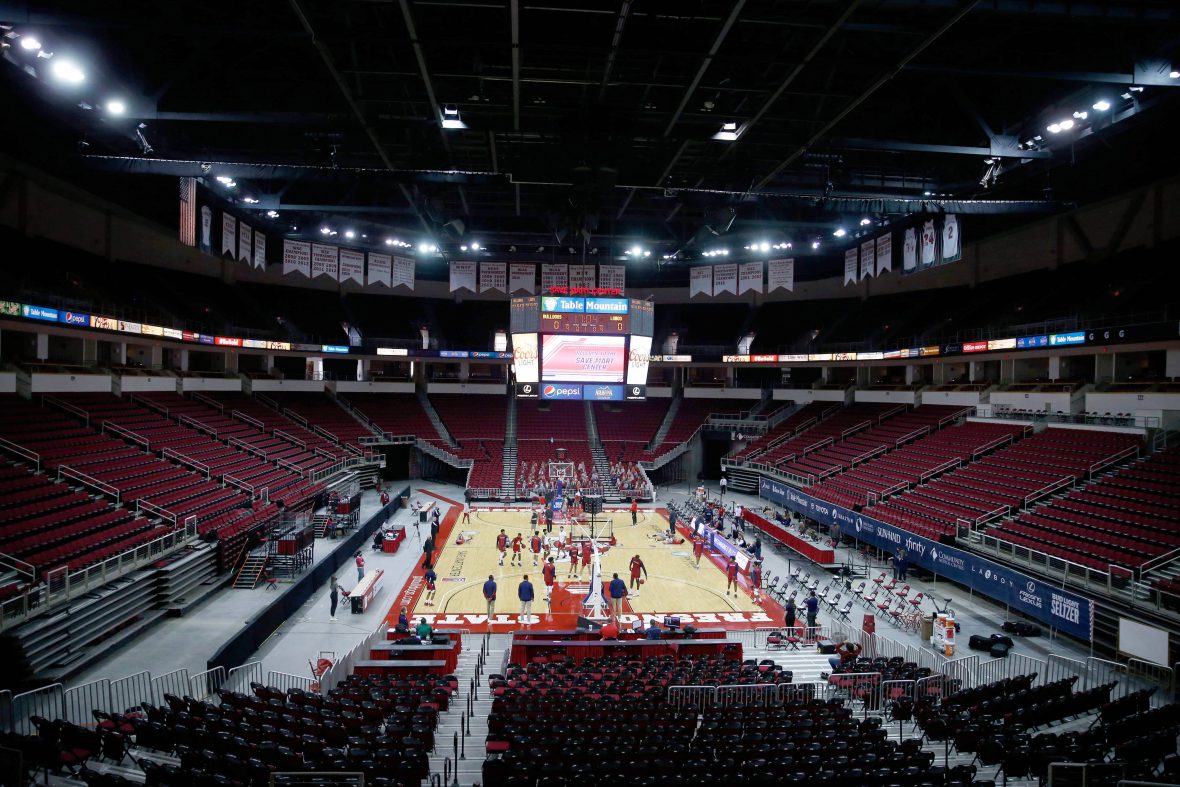
A former DraftKings trader named Samuel Silverman now faces felony charges after prosecutors allege he helped orchestrate a prop bet manipulation scheme involving two former Fresno State basketball players in January 2025. The illegal parlays, placed at BetMGM, produced nearly $16,000 in proceeds and triggered a Nevada Gaming Control Board criminal investigation that is still expanding. The NCAA has already ruled players Mykell Robinson and Steven Vasquez permanently ineligible.
Felony Charges Filed Against Samuel Silverman, Former DraftKings Trader
Who Is Charged and What They Are Accused Of
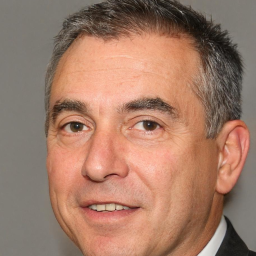
Samuel Silverman, identified as a former trader at DraftKings, faces felony charges connected to a scheme that allegedly manipulated a Fresno State men’s basketball game for direct betting profit [1]. Prosecutors allege Silverman coordinated with former Fresno State players Mykell Robinson and Steven Vasquez, who agreed to underperform on specific statistical categories so that prop bet “unders” on Robinson’s performance would cash. The scheme targeted a game played in January 2025.
A second former DraftKings trader, Matthew J. Martin, also faces charges. Martin allegedly collected $11,325 from the illegal parlays, while Silverman made over $3,000 from the same scheme [1]. The total proceeds across all participants reached nearly $16,000, a figure that may appear modest but carries serious legal weight under Nevada sports betting integrity statutes.
DraftKings conducted an internal investigation and stated publicly that neither Silverman nor Martin worked on college basketball pricing, and that no internal DraftKings data was used in the scheme. That distinction matters legally: it separates insider trading from external manipulation, though both remain criminal under Nevada law.
The Nevada Gaming Control Board’s Expanding Investigation
The Nevada Gaming Control Board, the state regulatory body with jurisdiction over licensed sports betting activity, confirmed it is still pursuing criminal charges against additional suspects beyond those already named [1]. The NGCB has broad authority to investigate integrity violations involving wagers placed at Nevada-licensed operators, and BetMGM, where the parlays were placed, holds a Nevada license. The board’s involvement signals this case will not stop at four named individuals.
The NCAA moved quickly on its side of the enforcement process. Robinson and Vasquez were ruled permanently ineligible by the NCAA, ending their college athletic careers. The ruling reflects the NCAA’s zero-tolerance position on any athlete involvement in wagering on their own games, a policy that has grown significantly stricter since legal sports betting expanded across the United States after the 2018 Supreme Court ruling in Murphy v. National Collegiate Athletic Association.
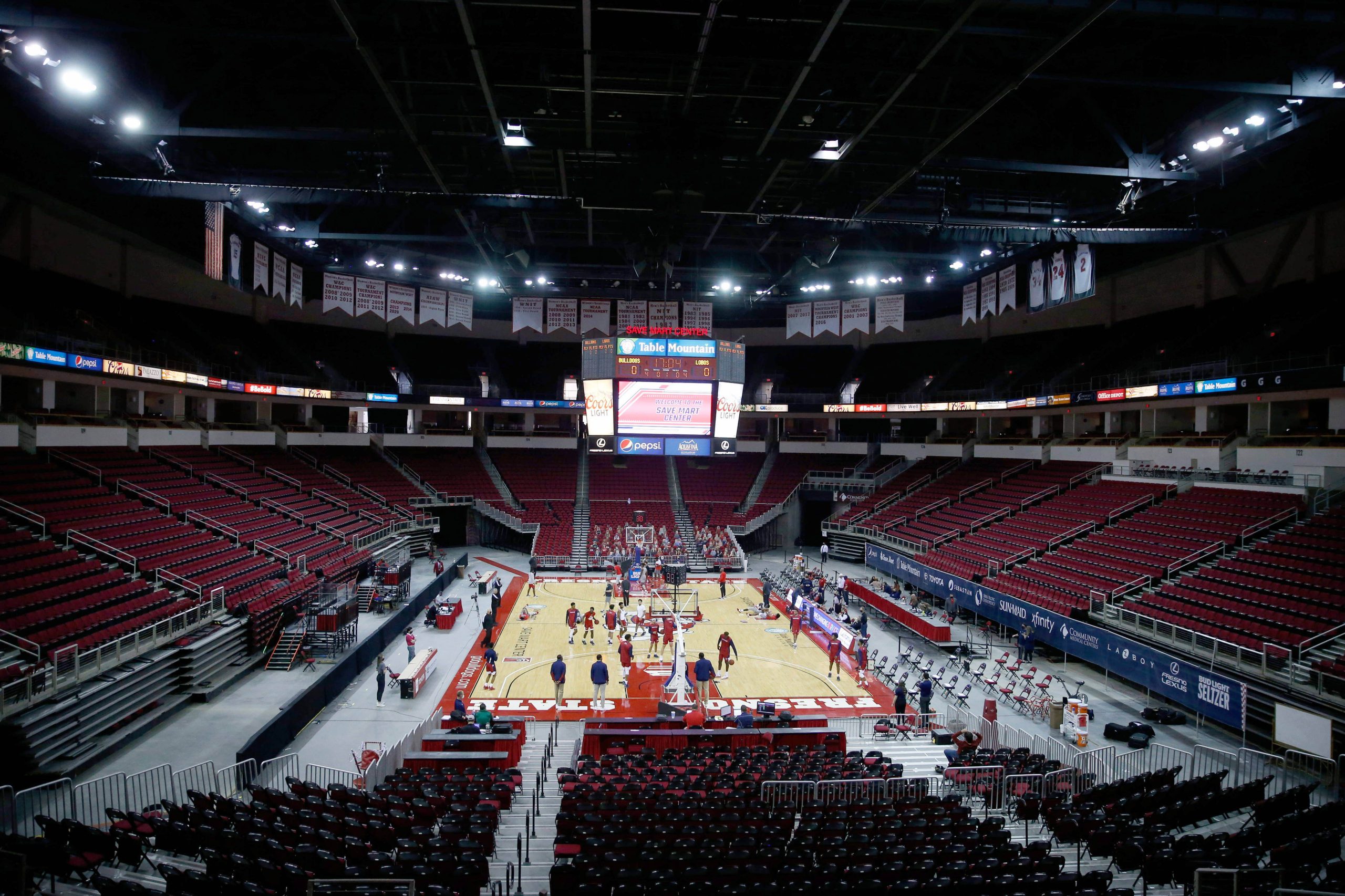
How the Prop Bet Manipulation Scheme Actually Worked
Understanding Prop Unders and Why They Are Vulnerable
A player prop bet is a wager on an individual athlete’s statistical performance in a single game, independent of the game’s final score. A “prop under” on Mykell Robinson would pay out if Robinson finished the game below a set statistical threshold, such as fewer than 14.5 points or fewer than 4.5 assists. Because individual player stats are far easier to manipulate than a full game outcome, prop markets have become the primary target in modern sports betting corruption cases.
Robinson, as the player whose stats were being bet on, had direct control over whether the under cashed. He could miss shots intentionally, avoid contact to reduce free throw attempts, or simply play fewer minutes by drawing fouls. None of these actions are visible to officials as deliberate manipulation. Sportsbooks detect these schemes not through in-game observation but through betting pattern analysis: unusual parlay combinations, accounts linked to players or their associates, and sharp line movement on low-profile prop markets.
The parlays in this case were placed at BetMGM, one of the largest regulated sportsbooks in the United States. BetMGM’s compliance systems, combined with DraftKings’ internal investigation, appear to have generated the data trail that led to charges. Every regulated sportsbook operating under a Nevada license is required to report suspicious wagering activity to the NGCB, and that mandatory reporting pipeline is precisely what surfaced this scheme [1].
The Role of Sportsbook Employees in Betting Integrity
Sportsbook traders like Silverman and Martin set and adjust betting lines for a living. Even if DraftKings confirmed they did not work on college basketball pricing, their professional knowledge of how prop markets are structured, where limits sit, and how to size bets to avoid triggering automatic flags gave them a significant operational advantage over an ordinary bettor attempting the same scheme.
The integrity risk posed by sportsbook employees betting on sports, even at competing books, is well-documented. Most major operators maintain strict internal policies prohibiting employees from wagering on any sport the company prices. DraftKings’ own investigation suggests Silverman and Martin violated those internal policies, which likely contributed to their termination before or alongside the criminal charges.
College Sports Betting Scandals: A Pattern Since 2018
The Fresno State case is not an isolated incident. Since the Supreme Court’s 2018 decision opened legal sports betting to all 50 states, the NCAA and law enforcement have documented a rising pattern of athlete involvement in prop bet schemes. The following table summarizes four significant college sports betting integrity cases since 2018 [1].
| Case | Year | Violation Type | Outcome |
|---|---|---|---|
| Iowa Hawkeyes (multiple athletes) | 2023 | Athletes betting on own games via legal apps | NCAA suspensions; no criminal charges |
| Alabama football players | 2023 | Wagering on own team via DraftKings and FanDuel | NCAA suspensions; no criminal charges |
| San Jose State wrestling | 2024 | Alleged match manipulation for prop bets | NCAA investigation; Title IX review |
| Fresno State basketball (Robinson, Vasquez, Silverman) | 2025 | Coordinated prop under manipulation with sportsbook insiders | Felony charges; NCAA permanent ineligibility |
What separates the Fresno State case from earlier NCAA betting violations is the direct involvement of sportsbook industry professionals. The 2023 Iowa and Alabama cases involved athletes betting on their own teams, which is an NCAA violation but not necessarily a criminal one. The Fresno State scheme added a layer of coordination with individuals who understood the betting market infrastructure, which elevated the conduct from a compliance violation to a felony manipulation charge.
The NCAA’s enforcement arm has responded to the post-2018 environment by partnering with integrity monitoring firms including Sportradar and U.S. Integrity, both of which provide real-time alerts on suspicious betting patterns to member institutions and law enforcement. The volume of NCAA betting integrity referrals to law enforcement increased sharply between 2021 and 2024 as legal betting expanded to more than 38 states. The Fresno State case represents the most serious criminal outcome from that monitoring pipeline to date involving a sportsbook employee.
Nevada remains the gold standard for sports betting enforcement precisely because the NGCB has decades of experience investigating integrity violations and maintains direct reporting relationships with every licensed operator in the state. The board’s decision to pursue charges beyond the four named individuals suggests investigators believe the scheme involved more coordination than the initial charging documents reveal [1].
[PLACEHOLDER: IMAGE_2]
What the Fresno State Scandal Reveals About KYC and Betting Surveillance
For readers who follow privacy-focused gambling, the Fresno State case is a direct illustration of how KYC identity verification and account surveillance at regulated sportsbooks function as a law enforcement pipeline. BetMGM required full identity verification from every account holder who placed the parlays in this scheme. That KYC data, combined with mandatory suspicious activity reporting to the NGCB, is what connected the bettors to the players and to the former DraftKings employees [1].
Every regulated sportsbook in the United States operates under Bank Secrecy Act obligations and state gaming regulations that require identity verification, transaction monitoring, and suspicious activity reporting. When a parlay on a low-profile Fresno State prop market hits at unusual size, the account behind it is immediately traceable to a real name, address, and payment method. There is no anonymity in that system by design.
Privacy-conscious bettors who prefer Monero-based platforms operate in a fundamentally different environment. Crypto casinos that accept Monero offer transaction privacy that regulated sportsbooks cannot and do not provide. If you want to understand how those platforms compare on security, licensing, and game selection, the full comparison of the best online crypto casinos on this site covers the key differences in detail. The Fresno State case is a reminder that the surveillance infrastructure built into regulated betting is not incidental: it is the product.
Key Takeaways
- Samuel Silverman, a former DraftKings trader, faces felony charges for his alleged role in a January 2025 Fresno State basketball prop bet manipulation scheme.
- Former Fresno State players Mykell Robinson and Steven Vasquez allegedly agreed to underperform on Robinson’s statistical props so that “prop under” parlays would cash.
- The illegal parlays were placed at BetMGM and generated nearly $16,000 in total proceeds: Matthew J. Martin collected $11,325 and Silverman collected over $3,000.
- DraftKings confirmed internally that Silverman and Martin did not work on college basketball pricing and that no internal DraftKings data was used in the scheme.
- The NCAA ruled Robinson and Vasquez permanently ineligible, the most severe eligibility penalty available under NCAA rules.
- The Nevada Gaming Control Board is actively pursuing criminal charges against additional suspects beyond the four individuals already named.
- BetMGM’s mandatory suspicious activity reporting to the NGCB, enabled by KYC identity verification, was central to surfacing the scheme.
Frequently Asked Questions
What charges does Samuel Silverman face in the Fresno State gambling case?
Samuel Silverman faces felony charges related to sports betting manipulation under Nevada law. Prosecutors allege he coordinated with former Fresno State players to manipulate player prop bets in a January 2025 basketball game, generating over $3,000 in personal proceeds from illegal parlays placed at BetMGM [1].
How did the Fresno State prop bet scheme work?
Former Fresno State player Mykell Robinson allegedly agreed to underperform statistically in a January 2025 game so that “prop under” bets on his performance would win. Parlays combining multiple prop unders were placed at BetMGM by individuals connected to Robinson, including former DraftKings traders Samuel Silverman and Matthew J. Martin [1].
Is DraftKings under investigation in the Fresno State case?
DraftKings itself is not under investigation. The company conducted an internal investigation and stated that Silverman and Martin were not involved in college basketball pricing and used no internal DraftKings information. The charges target Silverman and Martin as individuals, not DraftKings as an organization [1].
What happened to the Fresno State players involved in the betting scheme?
Mykell Robinson and Steven Vasquez were ruled permanently ineligible by the NCAA following the investigation. Permanent ineligibility is the most severe penalty the NCAA can impose on an athlete and ends their eligibility to compete in any NCAA-sanctioned sport.
Who is investigating the Fresno State gambling scandal?
The Nevada Gaming Control Board is leading the criminal investigation and has confirmed it is pursuing charges against additional suspects beyond the four individuals already charged. BetMGM, where the illegal parlays were placed, cooperated with the investigation through mandatory suspicious activity reporting required under Nevada gaming regulations [1].
The Bottom Line
The Fresno State case marks a new threshold in college sports betting corruption: not just athletes breaking NCAA rules by wagering on their own games, but a coordinated scheme involving sportsbook industry insiders who understood exactly how to structure bets to maximize payout while minimizing detection risk. The fact that the scheme still got caught, through BetMGM’s compliance systems and the NGCB’s investigative infrastructure, demonstrates that regulated sportsbooks are surveillance environments first and betting platforms second.
Samuel Silverman and Matthew J. Martin face felony charges that could result in prison time and permanent bans from the gaming industry. Mykell Robinson and Steven Vasquez lost their NCAA eligibility permanently for a scheme that paid out less than $16,000 in total. The Nevada Gaming Control Board’s ongoing investigation suggests more charges are coming, and the case will likely become a reference point for how prosecutors and regulators approach the next generation of prop bet manipulation schemes.
For anyone who bets on sports, the lesson is structural: every account at a regulated sportsbook is a fully documented identity attached to every transaction you make. That is not a bug in the system. It is the system.
Want to Bet Without the Surveillance? Explore Privacy-First Crypto Casinos
18+ | Play Responsibly | T&Cs Apply
Sources
- Covers.com – Primary reporting on Samuel Silverman charges, proceeds figures, DraftKings internal investigation statement, and NGCB investigation status.