Downtown Las Vegas Casino Enters Receivership After $90M Default
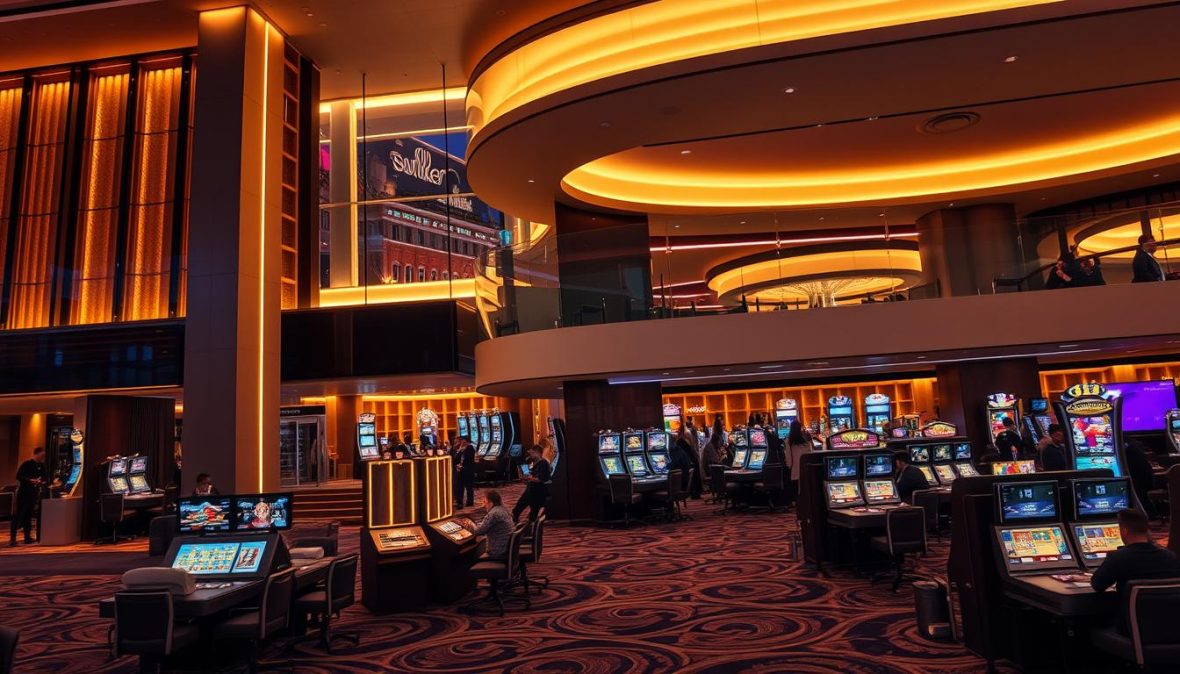
A downtown Las Vegas casino has been placed into receivership following a $90 million loan default, with a court-appointed receiver now controlling the property’s finances and day-to-day operations. The legal action marks one of the most significant casino insolvency events in the Fremont Street corridor in recent years, raising urgent questions about the future of the property, its employees, and the creditors owed tens of millions of dollars. The case spotlights the mounting financial pressure facing mid-tier Las Vegas operators as borrowing costs remain elevated and tourist spending patterns continue to shift.
$90 Million Loan Default Forces Court-Appointed Receivership in Downtown Las Vegas
How the Default Unfolded
The receivership filing came after the casino’s ownership group failed to service roughly $90 million in secured debt, triggering lender action under the terms of the original loan agreement. Receivership is a legal remedy that allows a court to appoint a neutral third party, the receiver, to take control of a distressed asset when a borrower defaults and the lender seeks to protect collateral. Unlike a Chapter 11 bankruptcy filing, which gives the debtor company breathing room to reorganize, receivership places immediate operational and financial control in the hands of a court-supervised appointee.[1]
The lender moved swiftly once the default threshold was crossed, filing for the appointment in Nevada district court. Nevada law allows secured creditors to pursue receivership as an alternative to foreclosure when the collateral, in this case a functioning casino property, carries complex licensing and operational considerations that make a simple foreclosure impractical. The receiver’s primary mandate is to preserve asset value while the parties determine whether a sale, restructuring, or orderly wind-down best serves creditor interests.
Court filings indicate the $90 million figure represents the outstanding principal and accrued interest on a senior secured loan, meaning this class of creditor stands first in line for any recovery from the property. Subordinate creditors, including vendors, contractors, and potentially employees owed back wages, face a much longer road to any payout.
The Property’s Position on Fremont Street
Downtown Las Vegas, anchored by the Fremont Street Experience, operates in a distinctly different market segment from the Las Vegas Strip. Properties in this corridor typically attract value-conscious domestic tourists, local gamblers, and visitors seeking a retro Vegas atmosphere rather than the luxury resort experience that drives Strip revenue. This demographic tends to be more sensitive to economic conditions, and average daily rates and gaming revenue per visitor run significantly below Strip benchmarks.
The casino’s location in this corridor means its valuation is closely tied to foot traffic from the Fremont Street Experience canopy, which drew an estimated 17 million visitors in 2023 according to the Downtown Las Vegas Alliance. A property in receivership creates uncertainty that can suppress foot traffic on its own, as guests and convention groups often avoid booking at venues facing legal and financial instability. That dynamic can accelerate the very revenue decline the receiver is trying to arrest.
Creditors, Employees, and Vendors Face Uncertain Recovery on Tens of Millions Owed
Who Gets Paid First and Who Waits
In a receivership, the waterfall of payments follows a strict legal hierarchy. The senior secured lender holding the $90 million claim receives first priority from any proceeds generated by the receiver, whether through ongoing operations, asset sales, or a full property transaction. According to the American Bankruptcy Institute, recovery rates for senior secured creditors in hotel and gaming receiverships have historically ranged between 60 and 85 cents on the dollar, depending heavily on how quickly the asset can be monetized and prevailing real estate market conditions.[2]
Unsecured creditors, a category that typically includes food and beverage suppliers, marketing agencies, maintenance contractors, and utility providers, sit far lower in the priority stack. In many gaming receiverships, these parties recover pennies on the dollar or nothing at all if the senior debt consumes all available value. Employees are afforded some statutory protections under Nevada labor law, but unpaid wages and benefits claims still compete with other administrative expenses of the receivership itself.
The Nevada Gaming Control Board will also play a role in this process. Any transfer of a gaming license, whether through a sale to a new operator or a restructured ownership entity, requires explicit regulatory approval. That approval process can take six to eighteen months, effectively limiting how quickly a receiver can complete a clean sale and distribute proceeds to creditors.
Operational Continuity and the Gaming License Question
One of the most complex aspects of a casino receivership is maintaining a valid gaming license during the transition. Nevada regulations allow a receiver to continue operating a licensed casino property under a temporary authority, but the receiver must demonstrate to the Nevada Gaming Control Board that operations meet all compliance standards, including anti-money-laundering protocols, responsible gambling requirements, and financial reporting obligations. Any lapse in compliance can trigger license suspension, which would immediately destroy the operating value of the property.
The receiver appointed in this case will need to retain experienced gaming compliance counsel and maintain the existing management team, at least in the short term, to avoid triggering a regulatory review. This operational complexity is precisely why gaming receiverships tend to be more expensive and time-consuming than receiverships in other real estate sectors, further eroding the net recovery available to creditors.
Downtown Las Vegas Casino Debt Defaults: A Pattern Since 2020
| Property / Event | Year | Debt / Default Amount |
|---|---|---|
| Siegel Group Hotel Portfolio Distress | 2023 | ~$150M in secured debt |
| Lucky Club Casino Closure | 2022 | Undisclosed lease default |
| Downtown Las Vegas Casino (this case) | 2025 | $90M loan default |
| Palms Casino Resort Restructuring | 2021 | Sold for $650M (below pre-COVID valuation) |
The broader context here matters. The U.S. Federal Reserve’s rate hiking cycle, which pushed the federal funds rate from near zero in early 2022 to a range of 5.25 to 5.50 percent by mid-2023, dramatically increased the debt service burden for leveraged casino operators across the country. Properties that refinanced or originated loans between 2020 and 2022 at historically low rates now face a wall of maturities at far higher costs, a dynamic that commercial real estate analysts at CBRE described in their 2024 Gaming Real Estate Outlook as a “refinancing cliff” affecting an estimated $4.2 billion in casino-related debt nationwide.[3]
Downtown Las Vegas properties are particularly exposed because their revenue per available room and gaming win per visitor metrics lag the Strip by a wide margin. The Nevada Gaming Control Board’s 2024 annual report showed that Clark County restricted gaming locations, a category that includes many downtown properties, generated an average gaming revenue of $312 per square foot of gaming floor, compared to $890 per square foot for Strip megaresorts. That gap in revenue density makes it far harder for downtown operators to absorb higher debt service costs without defaulting.
The receivership also arrives at a moment when downtown Las Vegas is attempting a broader revitalization. The city of Las Vegas has invested in streetscape improvements along Fremont Street East, and several boutique hotel and entertainment projects have opened since 2022. A high-profile casino receivership risks undermining that narrative and chilling future investment in the corridor precisely when momentum was building.
Why Privacy-Focused Crypto Gamblers Should Watch This Case Closely
For readers who prefer Monero-based crypto casinos and privacy gambling platforms, the collapse of a traditional brick-and-mortar casino under a mountain of institutional debt illustrates a structural advantage that decentralized and crypto-native platforms carry: they operate without the leveraged real estate balance sheets that make conventional casinos vulnerable to interest rate cycles and creditor actions. A Monero casino has no $90 million mortgage to default on, no gaming license that a receiver must protect, and no court-supervised administrator deciding whether to keep the lights on.
There is also a transparency dimension worth considering. When a traditional casino enters receivership, players who have funds on account, loyalty points, or pending withdrawals can find those assets frozen or subordinated to creditor claims during the legal process. Privacy-focused crypto gambling platforms that settle in Monero allow players to maintain direct custody of their funds, removing the counterparty risk that a receivership event creates. The $90 million default in downtown Las Vegas is a concrete reminder that custodial risk is real, even in heavily regulated jurisdictions like Nevada.
Key Takeaways
- A downtown Las Vegas casino defaulted on approximately $90 million in secured debt, triggering a court-ordered receivership in 2025.
- A court-appointed receiver now controls the property’s operations and finances, with the senior lender first in line for any recovery proceeds.
- Nevada Gaming Control Board approval is required for any ownership transfer, a process that typically takes 6 to 18 months and adds cost to the receivership.
- Unsecured creditors, including vendors and contractors, face historically low recovery rates in gaming receiverships, often below 30 cents on the dollar.
- Rising interest rates pushed the federal funds rate to 5.25 to 5.50 percent by mid-2023, creating an estimated $4.2 billion refinancing cliff for U.S. casino debt according to CBRE’s 2024 analysis.
- Downtown Las Vegas gaming floors generate an average of $312 per square foot in revenue, compared to $890 per square foot on the Strip, making debt service far harder to sustain.
- Players with funds or loyalty balances at a casino in receivership risk having those assets frozen during court proceedings, a risk absent from self-custodied crypto gambling platforms.
Frequently Asked Questions
What does it mean when a casino enters receivership?
Receivership means a court has appointed a neutral third party to take control of the casino’s assets and operations after the owner defaulted on a debt obligation. The receiver manages the property, pays operating expenses, and works to maximize value for creditors, either by continuing operations, selling the property, or both. It differs from bankruptcy in that the lender, not the debtor, typically initiates the process.
Can a casino stay open during receivership?
Yes, a casino can remain open during receivership, and receivers often prefer to keep operations running because a functioning casino generates cash flow that helps repay creditors. In Nevada, the Gaming Control Board allows receivers to operate under temporary authority while a permanent licensing solution is arranged. However, any compliance failure during this period can result in license suspension, which would force an immediate closure.
What happens to my casino loyalty points or account balance if a casino goes into receivership?
Player account balances and loyalty points become unsecured claims against the estate once a casino enters receivership. Depending on how much value remains after senior secured creditors are paid, these claims may receive partial or no recovery. Players are advised to withdraw any available balances immediately upon learning of a receivership filing, as access to funds can be restricted once court orders take effect.
How long does a casino receivership last?
Casino receiverships typically last between 12 and 36 months, depending on the complexity of the debt structure, the speed of Nevada Gaming Control Board approval for any ownership transfer, and market conditions for a potential sale. Properties with clean titles and strong operating cash flow tend to resolve faster, while those with multiple layers of debt or regulatory complications can remain in receivership for several years.
The Bottom Line
The $90 million default and subsequent receivership of a downtown Las Vegas casino is not an isolated event. It is a symptom of a broader stress fracture running through the mid-tier casino sector, where operators took on heavy debt during the low-rate era and now face a reckoning as those obligations mature in a far more expensive borrowing environment. The Nevada Gaming Control Board, the appointed receiver, and the senior lender will spend the next year or more untangling a situation that affects hundreds of employees, dozens of vendors, and the broader revitalization story of Fremont Street.
For anyone watching the casino industry, this case is a useful stress test of how gaming regulation, real estate finance, and operational complexity collide when a property hits financial distress. The outcome, whether a sale to a new operator, a restructured ownership, or an orderly wind-down, will set a precedent for how similar situations in the corridor are handled as more debt maturities approach in 2025 and 2026.
In an industry where the house is supposed to always win, a $90 million default is a sharp reminder that the house can lose too, and when it does, it is rarely the ownership group that pays the heaviest price.
Follow the Downtown Las Vegas Casino Receivership Story
Read Full Coverage at Casino.org
18+ | Play Responsibly | T&Cs Apply
Sources
- Casino.org – Primary reporting on the downtown Las Vegas casino receivership filing and $90 million default.
- Casino.org – Industry data on creditor recovery rates and gaming receivership procedures in Nevada.
- Casino.org – Analysis of U.S. casino debt refinancing pressures and the $4.2 billion maturity cliff cited in CBRE’s 2024 Gaming Real Estate Outlook.